

Tokyo is the kind of city that looks easy from far away and feels huge once you arrive. The train map has too many lines. The hotel areas all sound famous. Food choices appear everywhere. Then you open your saved places list and realize half the city is on it.
That is why a proper Tokyo travel guide should not feel like a random list. It should help you make decisions. Where should you stay? Which season feels best? How many days do you need? Do you need an eSIM, pocket WiFi, or travel card? Where can vegan travelers eat without checking every ingredient twice?
Tokyo rewards travelers who plan by area. You should not jump from Shibuya to Asakusa, then back to Shinjuku on the same afternoon. It wastes energy. Instead, group nearby places together. Shibuya, Harajuku, and Meiji Shrine work well in one day. Asakusa and Tokyo Skytree work well together. Akihabara, Ueno, and Odaiba can also fit into one route.
Tokyo’s official travel guide, GO TOKYO, covers attractions, hotels, transport, food, events, and seasonal planning. It is a useful official source for checking updated visitor information before your trip.
Table of Contents
Tokyo Travel Guide Planning Snapshot
| Travel Question | Best Answer |
| Best first-time area | Shinjuku or Shibuya |
| Best traditional area | Asakusa |
| Best luxury area | Ginza or Tokyo Station |
| Best budget-friendly base | Ueno or Asakusa |
| Best anime and gaming area | Akihabara |
| Best food areas | Shinjuku, Ginza, Tsukiji, Ueno |
| Best internet option | eSIM for solo travelers, pocket WiFi for groups |
| Best daily transport setup | Suica or Pasmo plus Google Maps |
| Best pass for heavy subway use | Tokyo Subway 24, 48, or 72-hour Ticket |
This table gives you the clean answer first. However, the real value comes from understanding why each option works. Tokyo is not difficult when you match your hotel, transport, food, and sightseeing properly.
Best Season in This Tokyo Travel Guide
Spring gets the most attention because cherry blossoms make Tokyo look soft and cinematic. Parks, riversides, temple paths, and quiet streets suddenly feel special. However, spring also brings bigger crowds and higher hotel rates. If you want cherry blossoms, follow Japan’s official tourism updates because bloom timing changes each year with weather.
Autumn is often the smarter choice. October and November bring cooler weather, better walking days, and beautiful garden views. You also avoid some of the pressure that comes with peak sakura season. For most first-time visitors, autumn gives the best balance of comfort, photos, food, and city exploring.
Summer has energy, but it can test your patience. July and August feel hot and humid. You can still enjoy Tokyo, but you should plan indoor attractions during the afternoon. Shopping malls, cafes, museums, TeamLab, and department-store food halls become useful breaks.
Winter is underrated. The air feels crisp, the city looks clean, and evening illuminations add charm. Prices can also feel better than spring. If you do not need cherry blossoms, winter can give you a calmer Tokyo trip.
For most travelers, this Tokyo travel guide recommends March, April, October, November, and early December.
Best Tokyo Travel Spots for First-Time Visitors
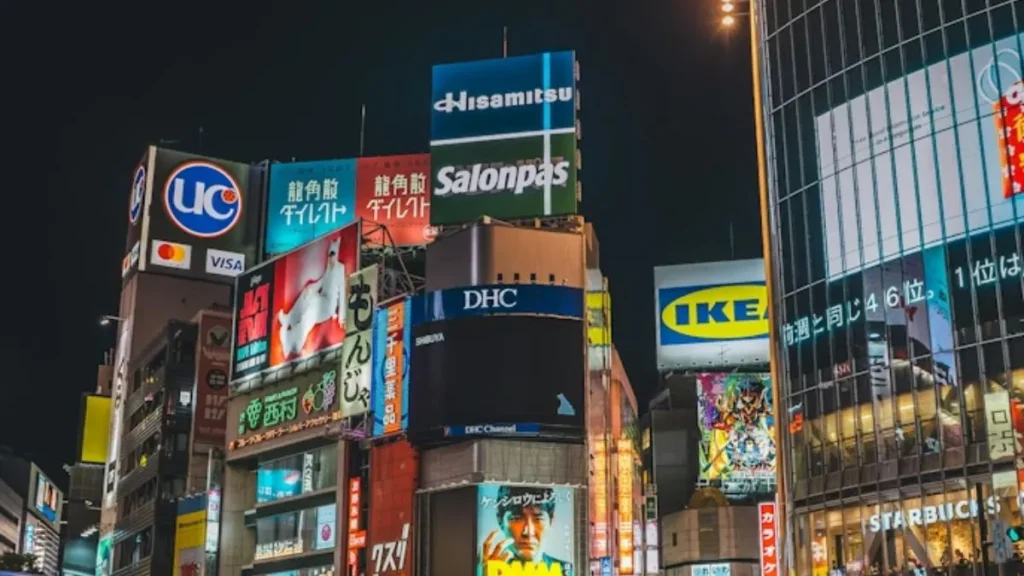
Start with Shibuya Crossing because it gives you the Tokyo image most people expect. Big screens, fast movement, crowds, and bright signs all come together there. Japan’s official tourism site says Shibuya Crossing can see around 1,000 to 2,500 people cross every two minutes at its busiest times.
After Shibuya, walk toward Harajuku and Meiji Shrine. That short route shows Tokyo’s contrast well. One side gives fashion, crepes, streetwear, and busy cafes. The other side gives trees, silence, shrine gates, and slow walking paths. It feels like two different cities placed beside each other.
Asakusa should be on every first Tokyo trip. Senso-ji is Tokyo’s oldest temple, according to the official Senso-ji site. The temple, lantern gate, incense smoke, snack stalls, and Nakamise shopping street create a classic old Tokyo feeling.
Tokyo Skytree fits naturally after Asakusa. You can visit the temple area first, eat nearby, then move toward Skytree for city views. The official Tokyo Skytree site lists the Tembo Deck on Floor 350 and the Tembo Galleria on Floor 450.
Akihabara is the right place for anime, manga, gaming, figures, electronics, and collectibles. Even if you are not a serious anime fan, the area feels unique. It shows a side of Tokyo that is loud, colorful, commercial, and very specific.
TeamLab is better for travelers who want a modern Tokyo experience. TeamLab Borderless describes itself as a world of artworks without boundaries and a museum without a map. That idea explains why visitors treat it less like a normal museum and more like an immersive experience.
Tokyo Travel Guide 2026 – 5-Day Schedule
A good Tokyo schedule should reduce train stress. It should also give each day a clear mood. Do not build a plan where every famous place appears on the same day. That looks impressive on paper and feels exhausting in real life.
| Day | Route | Travel Mood |
| Day 1 | Shibuya, Harajuku, Meiji Shrine | First Tokyo energy |
| Day 2 | Asakusa, Senso-ji, Tokyo Skytree, Ueno | Traditional Tokyo and views |
| Day 3 | Tokyo Station, Imperial Palace area, Ginza | Clean city walks and luxury |
| Day 4 | Akihabara, TeamLab, Odaiba | Anime, digital art, waterfront |
| Day 5 | Shinjuku, food streets, shopping, nightlife | Big city finale |
Day 1 should start with Meiji Shrine. Go early, before Harajuku becomes busy. After that, move into Harajuku for snacks, fashion streets, and cafes. End the day in Shibuya. Watch the crossing, visit shops, and stay for dinner.
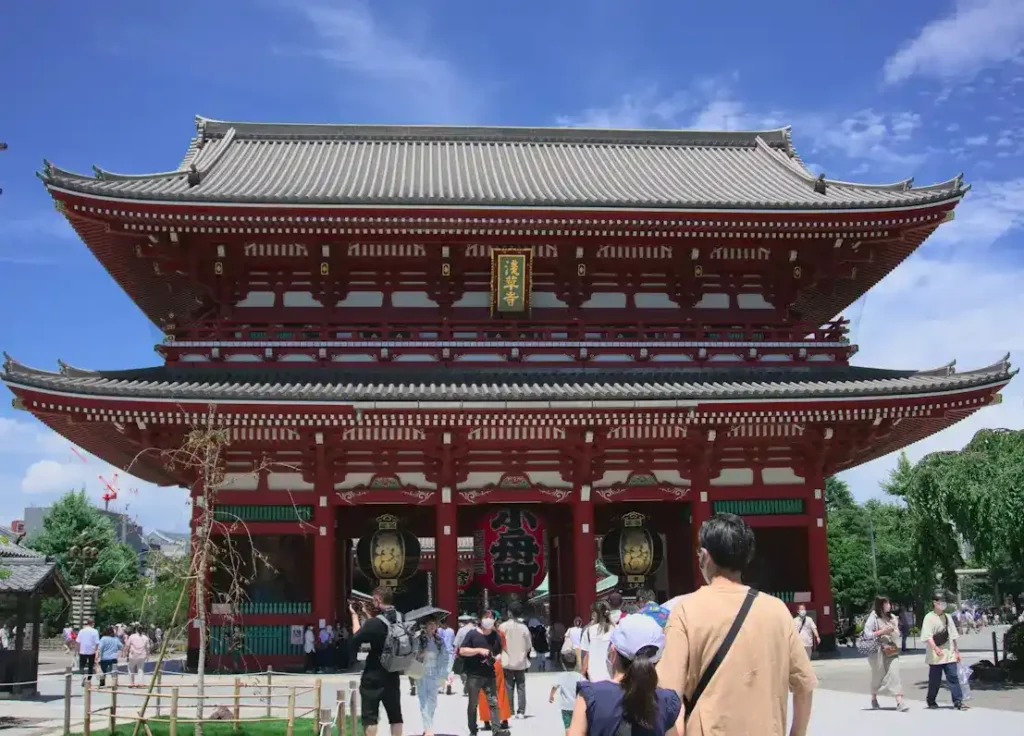
Day 2 belongs to Asakusa. Visit Senso-ji in the morning, then walk through Nakamise Street. After lunch, move toward Tokyo Skytree. If you still have energy, continue to Ueno for museums, parks, and casual food.
Day 3 should feel slower. Tokyo Station, the Imperial Palace outer area, and Ginza work nicely together. Ginza is not only luxury shopping. It also has basement food halls, polished cafes, stationery shops, and excellent restaurants.
Day 4 is for modern Tokyo. Start in Akihabara for gaming, anime, and electronics. Then move to TeamLab. End near Odaiba if you want water views, malls, and a softer evening.
Day 5 should finish in Shinjuku. Use the day for shopping, ramen, department stores, observation views, and nightlife. Shinjuku feels chaotic, but it also gives a strong final memory of Tokyo.
Where to Stay in Tokyo
Shinjuku is the best all-round base for most first-time visitors. It has excellent transport, strong nightlife, shopping, restaurants, and many hotel choices. It feels busy, but that is part of its strength.Shibuya works better for younger travelers, couples, cafe lovers, and people who want style around them. It feels modern and energetic. It also gives easy access to Harajuku, Ebisu, Daikanyama, and Omotesando.
Asakusa is better for budget travelers and culture-focused visitors. It feels calmer than Shinjuku and Shibuya. You also get traditional streets, Senso-ji, smaller restaurants, and better value hotels.Ginza suits travelers who want comfort, shopping, clean streets, and premium hotels. It costs more, but it feels organized and elegant. Tokyo Station also works well for luxury stays and day trips.
Ueno is practical. It has museums, parks, markets, train access, and more affordable hotels. If your budget matters, Ueno deserves serious attention.The main rule is simple. Stay near a useful train station. A cheaper hotel far away can cost you time every single day.
Tokyo Travel SIM and Internet Options
You need internet in Tokyo. Maps, train routes, restaurant bookings, ticket QR codes, translation, and emergency alerts all depend on it.An eSIM is usually best for solo travelers. You can activate it quickly and avoid airport counters. Pocket WiFi works better for families or groups because several people can share one device. A physical SIM also works, but it feels less convenient if your phone supports eSIM.
For transport, use Suica or Pasmo where available. These cards help with trains, buses, vending machines, and some convenience-store payments. Pasmo’s official visitor page says it works across many railways and buses in the Tokyo area, but not every transport network in Japan accepts it.
Also download travel apps before arrival. JNTO’s Safety Tips app sends earthquake, tsunami, and weather alerts in multiple languages. That matters because Japan is safe, but it is also a country where disaster alerts are part of travel preparation.
Read more : Best Time to Visit Shimla: Weather, Seasons & Travel Experience
Tokyo Travel Safety
Tokyo is generally safe for tourists, including solo travelers. Still, safe does not mean careless. Crowded stations, nightlife streets, and tourist areas need normal attention.Keep your passport secure. Watch your wallet in crowds. Do not leave bags unattended in cafes. At night, avoid following street promoters into unknown bars. This advice matters most in nightlife areas like Kabukicho and parts of Roppongi.
Natural disaster preparation also matters. Install Safety Tips, check alerts, and know your hotel’s emergency information. You probably will not need it, but smart travelers prepare before problems happen.This Tokyo travel guide treats safety as practical planning, not fear. Tokyo is easy to enjoy when you stay aware and organized.
Read more: Best Places to Visit in India in June 2026: 21 Trips Ranked by Weather, Crowd & Budget
Best Food in Tokyo
Tokyo is one of the best food cities in the world because good meals exist at every price level. You do not need a luxury budget to eat well. A small ramen shop can give you a better memory than a famous restaurant.
Start with sushi. Try conveyor belt sushi for value, then book omakase if your budget allows. For seafood snacks and casual morning food, visit Tsukiji Outer Market. Ramen deserves more than one meal. Tokyo has clear broths, rich broths, soy sauce ramen, miso ramen, spicy ramen, and vegan ramen. Many ramen shops use ticket machines, so ordering becomes easier.

Also try tempura, yakitori, Japanese curry, tonkatsu, udon, soba, gyoza, and Wagyu beef. Do not ignore convenience stores either. Egg sandwiches, onigiri, fried chicken, puddings, rice bowls, and bottled coffee can save money during long sightseeing days.Department-store food halls are another smart choice. They offer sushi, salads, desserts, bento, fruit, pastries, and ready-made meals. They also help when you feel too tired for a restaurant.
Read more: Thenmala: Kerala’s Hidden Eco-Tourism Gem You Should Explore
Vegan Food in Tokyo
Vegan travel in Tokyo is possible, but you need planning. The biggest issue is hidden dashi. A dish may look vegetarian but still contain fish-based stock.Japan’s official vegetarian and vegan guide explains that “vegetarian” can be understood broadly in Japan. It also says simply asking for vegetarian food may not be enough because of language and ingredient differences.
Save vegan restaurants on Google Maps before each day. Look for vegan ramen, Shojin Ryori, plant-based cafes, falafel shops, tofu dishes, and vegan curry. Shojin Ryori is traditional Buddhist cuisine and can be a beautiful food experience.
Useful phrases help. Say “Niku to sakana wa taberaremasen” for “I cannot eat meat or fish.” Also ask, “Dashi wa haitte imasu ka?” That means “Does it contain dashi?”Vegan travelers should plan meals near daily routes. Do not wait until you are hungry in a random station.
Tokyo Travel Store and Shopping Guide
Tokyo shopping can become a full trip by itself. Each district has its own personality.Ginza is for luxury brands, beauty stores, watches, department stores, and elegant cafes. Harajuku is better for youth fashion, sneakers, sweets, and streetwear.
Shibuya gives you fashion malls, beauty shops, records, cafes, and lifestyle stores.Akihabara is the best place for anime, manga, games, figures, electronics, and trading cards. Don Quijote works well for snacks, skincare, souvenirs, luggage, and last-minute gifts.
Muji and Uniqlo deserve time too. They are useful for simple clothes, socks, travel items, stationery, and clean Japanese design.Good souvenirs include matcha snacks, tea, stationery, chopsticks, skincare, anime goods, small ceramics, and regional sweets.
Tokyo Travel Stamp Guide
Tokyo travel stamps are small, fun, and easy to miss. Many stations in Japan have station stamps. Travelers collect them in notebooks as personal souvenirs.You can also collect goshuin at shrines and temples. These are not normal souvenir stamps. They are religious seals, often written beautifully in a special book called a goshuincho.
Use a regular notebook for station stamps. Use a goshuincho for shrine and temple seals. Treat goshuin with respect because they carry religious meaning.This detail gives your trip a personal memory. It also makes the article stronger because many normal travel blogs ignore it.
Tokyo Discount Tickets and Travel Passes
The Tokyo Subway Ticket can save money if you use subways several times per day. Tokyo Metro lists 24-hour, 48-hour, and 72-hour options at 1,000 yen, 1,500 yen, and 2,000 yen for adults. These tickets cover Tokyo Metro and Toei Subway lines.
However, the pass does not cover every train line. You may still need Suica or Pasmo for JR lines and other routes.Book major attractions early. TeamLab, Tokyo Skytree, Shibuya Sky, Tokyo Disney Resort, and seasonal events can sell out.For most travelers, the simple setup works best. Use Suica or Pasmo daily. Add a subway pass only when your route uses many subway rides.
Final Tokyo Travel Guide Tips
Do not turn Tokyo into a checklist. The city feels better when you leave breathing room. You need time for station walking, food lines, small shops, and unplanned discoveries.
Avoid rush hour when possible. Carry a small trash bag because public bins can be rare. Keep your voice low on trains. Book hotels near stations. Save restaurants before each day. Also, keep one flexible evening for whatever area you love most.
This Tokyo travel guide is built around real travel questions, not generic attraction names. It covers Tokyo travel spots, travel season, SIM cards, safety, food, vegan options, shopping, stamps, hotels, discount tickets, and a practical schedule.
Tokyo becomes easier when you stop trying to see everything. Pick the right area each day, eat well, move slowly, and let the city surprise you. That is when Tokyo feels unforgettable.