

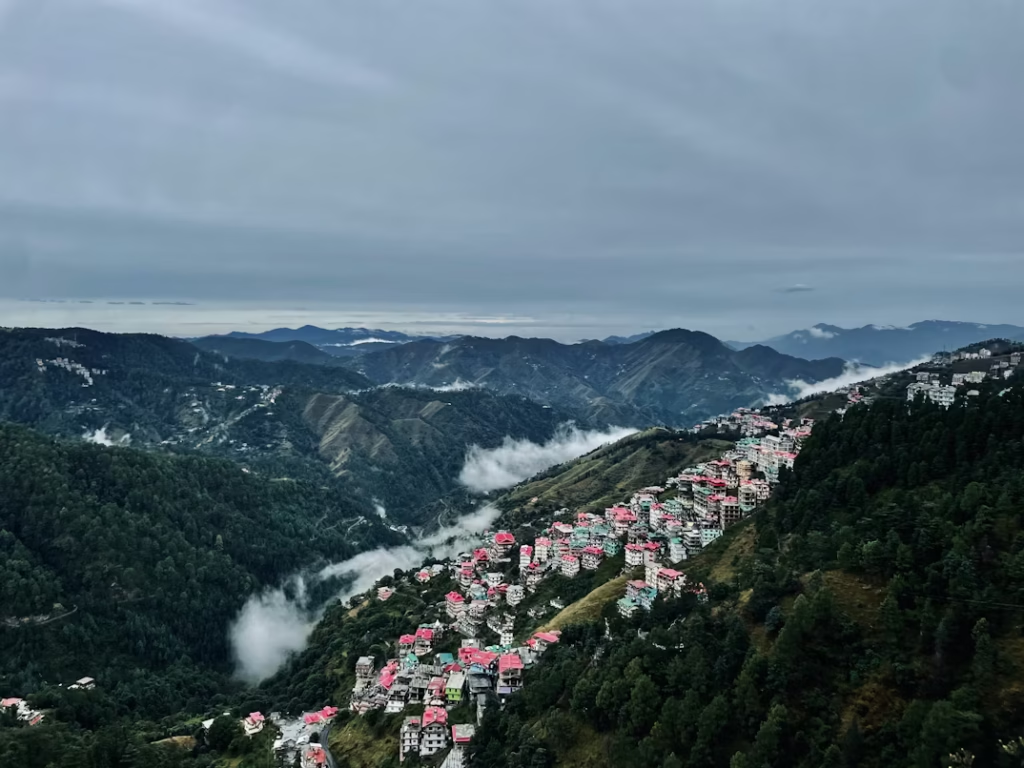
Shimla is often described as the Queen of the Hills, but what many travelers don’t realize is that the experience of Shimla changes completely with the season. The same town can feel lively and festive in summer, calm and romantic in autumn, misty and dramatic during monsoon, or magical and snow-covered in winter.
That’s why choosing the best time to visit Shimla isn’t just about temperatures—it’s about what kind of trip you want. Whether you’re planning a family vacation, a honeymoon, a solo escape, or a budget-friendly getaway, understanding Shimla’s seasonal rhythm will help you plan smarter and enjoy more.
This guide breaks down Shimla’s weather month by month, explains what each season feels like, and offers practical tips so you can decide when Shimla is best for you.
The best time to visit Shimla is from March to June, when the weather is pleasant and ideal for sightseeing. Travelers looking for snowfall should plan a visit between late December and February.
Why Timing Matters When Visiting Shimla
Shimla sits at a high altitude in the lower Himalayas, which means weather conditions directly affect travel comfort and accessibility. The time you choose to visit will influence sightseeing ease, hotel prices, crowd levels, and even road conditions.
During peak seasons, attractions are fully operational and the town buzzes with energy—but prices rise and crowds increase. In quieter seasons, Shimla feels peaceful and more affordable, but weather-related disruptions can affect outdoor plans.
Simply put, the “best time” depends on your priorities: weather comfort, snow, budget, or solitude. Shimla Weather & Seasons at a Glance
| Season | Months | Temperature Range | Overall Experience |
|---|---|---|---|
| Spring | February – April | 8°C – 22°C | Calm, scenic, blooming landscapes |
| Summer | May – June | 18°C – 28°C | Pleasant, lively, peak tourist season |
| Monsoon | July – September | 15°C – 25°C | Lush greenery, fewer crowds, risky travel |
| Autumn | October – November | 8°C – 18°C | Clear skies, quiet, great views |
| Winter | December – February | 0°C – 12°C | Snowfall, festive charm, cold weather |
Spring & Summer (March to June): Best Overall Time to Visit Shimla
Spring and early summer are widely considered the best time to visit Shimla for most travelers. As the harsh winter cold fades, the town comes alive with blooming flowers, green slopes, and comfortable daytime temperatures.
Days are warm but not hot, while evenings remain cool and refreshing. This is the ideal season for walking around Mall Road, enjoying colonial-era architecture, visiting viewpoints, and exploring nearby nature trails.
Families and first-time visitors particularly enjoy this period because weather conditions are stable and travel disruptions are rare. Most tourist attractions, cafes, and outdoor activities operate at full capacity during these months.
Because this is peak season, hotel prices are higher and advance bookings are strongly recommended. If you’re visiting during school holidays in May or June, expect heavy crowds—but also a vibrant, energetic atmosphere.
Spring (February to April): Quiet, Scenic & Comfortable
Spring deserves special mention for travelers who prefer a calmer experience. The weather is cool to mild, mornings can be crisp, and afternoons are ideal for sightseeing without the summer rush.
This period is perfect for photography, relaxed walks, and enjoying Shimla’s natural beauty at a slower pace. Budget travelers also find better deals in early spring compared to peak summer.
Monsoon (July to September): Green Beauty with Travel Risks
Monsoon transforms Shimla into a lush, mist-covered hill town. Forests turn deep green, clouds drift through valleys, and the landscape looks incredibly fresh and dramatic.
However, this beauty comes with challenges. Heavy rainfall can cause landslides, road closures, and travel delays. Outdoor sightseeing becomes unpredictable, and trekking or long drives may need to be postponed.
This season suits travelers who enjoy rain-soaked scenery, fewer tourists, and discounted hotel rates. If you choose to visit during monsoon, flexible planning is essential, and indoor activities should be prioritized.
Autumn (October to November): Clear Views & Peaceful Travel
Autumn is one of Shimla’s most underrated seasons. After the monsoon retreats, the skies turn clear and visibility improves dramatically. The weather is cool but not harsh, and crowds are noticeably thinner.
This is a great time for relaxed sightseeing, panoramic mountain views, and peaceful evenings. Couples and solo travelers often prefer this season for its calm atmosphere and pleasant climate.
Autumn also serves as a transition period before winter snowfall, making it ideal for travelers who want cold weather without the complications of snow.
Winter (December to February): Snowfall & Festive Charm
Winter in Shimla is all about snow. From late December through January, snowfall is common, transforming the town into a postcard-perfect winter destination. Streets, rooftops, and pine trees are often dusted in white, creating a magical atmosphere.
This season attracts snow lovers, honeymooners, and photographers. Cozy cafes, hot local food, and winter markets add to the charm. However, temperatures drop close to freezing, and snowfall can disrupt road travel.
Advance planning is crucial in winter. Check weather forecasts, book hotels early, and be prepared for delays. For many travelers, though, the chance to experience snow makes winter the most memorable time to visit Shimla.
Practical Seasonal Travel Tips
In summer, book accommodations well in advance and plan sightseeing early in the day to avoid crowds. During monsoon, always keep buffer days in your itinerary and monitor road conditions. In winter, pack proper cold-weather clothing and confirm transport availability before traveling.
Frequently Asked Questions About Visiting Shimla
Which month is best to visit Shimla
March to June is best for pleasant weather and sightseeing, while December to January is ideal for snowfall lovers.
Is Shimla safe during monsoon?
Shimla is generally safe, but landslides and roadblocks can occur. Travel with caution and stay updated on weather alerts.
When does Shimla receive snowfall?
Snowfall usually occurs from late December to February, with January being the coldest month.
Can Shimla be visited year-round?
Yes. Shimla offers a different experience each season, making it a year-round destination with varying travel conditions.
Final Verdict: When Should You Visit Shimla?
If you want comfortable weather and full access to attractions, March to June is the best choice. For snow and winter vibes, December to February is unmatched. Travelers seeking peace and clear views should consider October or early spring, while monsoon is best only for those who prioritize greenery and budget travel over convenience.
No matter when you visit, Shimla’s charm remains constant—it simply reveals a different side of itself with every season.
| Season | Best For | Crowd Level | Travel Ease |
| Summer | Sightseeing, families | High | Easy |
| Monsoon | Budget trips, quiet stays | Low | Moderate–Risky |
| Winter | Snow experience | Medium–High | Moderate |